Is tonight good for stargazing?
One tap tells you what the sky is doing where you are — clouds, the moon, aurora chances and the next meteor shower, in a single go/no-go read.
Searched on your device against a built-in list of 12,000 places. Nothing you type is sent to us or to anyone else.
Reading the sky…
Checking clouds, the moon, aurora activity and tonight's meteor showers.
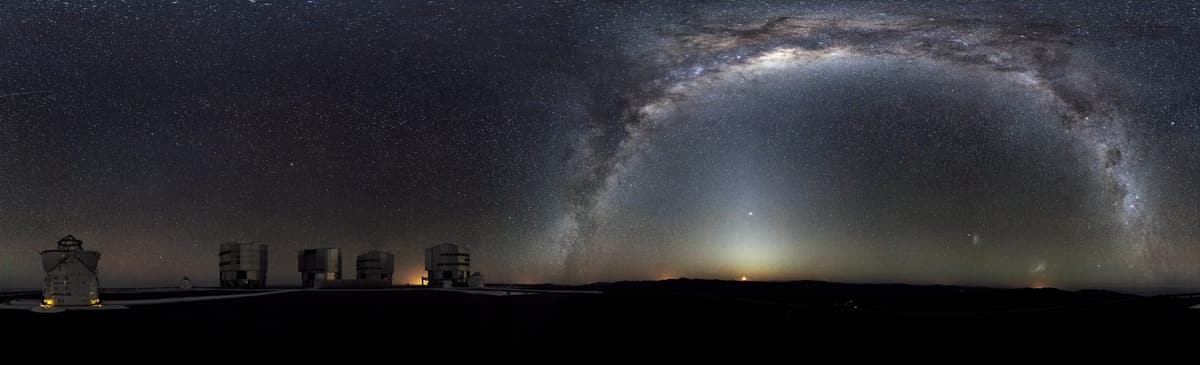
A universe in motion
Binary stars, drifting planets, and the slow turn of the night sky — all tracked for your exact place and time.
Tap any star or planet to identify it — for your place & time.
A print of the sky over any place, on any date — a keepsake.
Find any constellation, name its brightest stars, and know when it's best seen.
When each shower peaks, how many you'll really see, and how to watch.
See Saturn at opposition — brightest and closest for the year, its rings wide open.
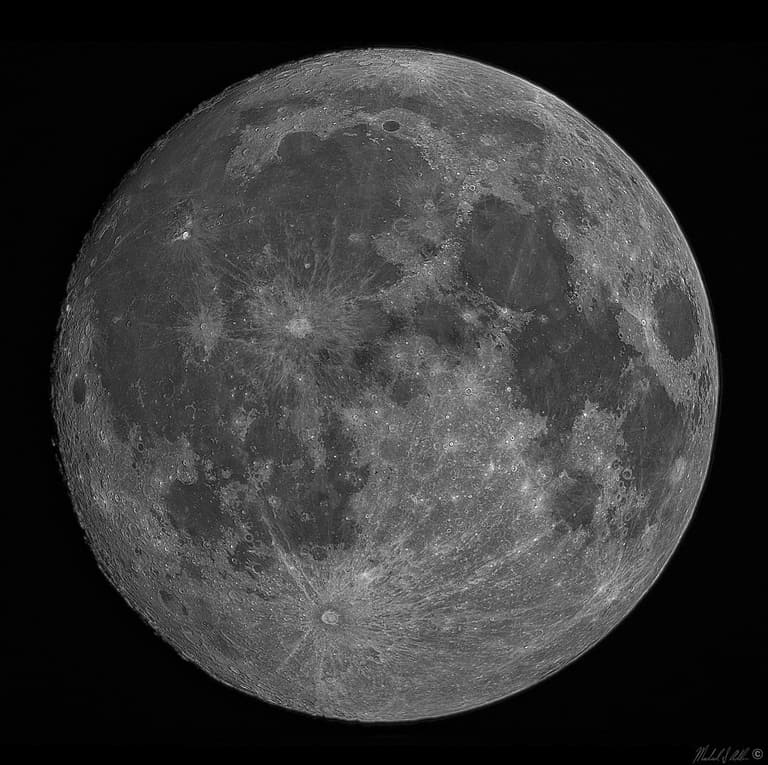
The Aug 2026 deep partial lunar eclipse — 93% of the Moon turns red. No equipment needed.
Highlights of the night
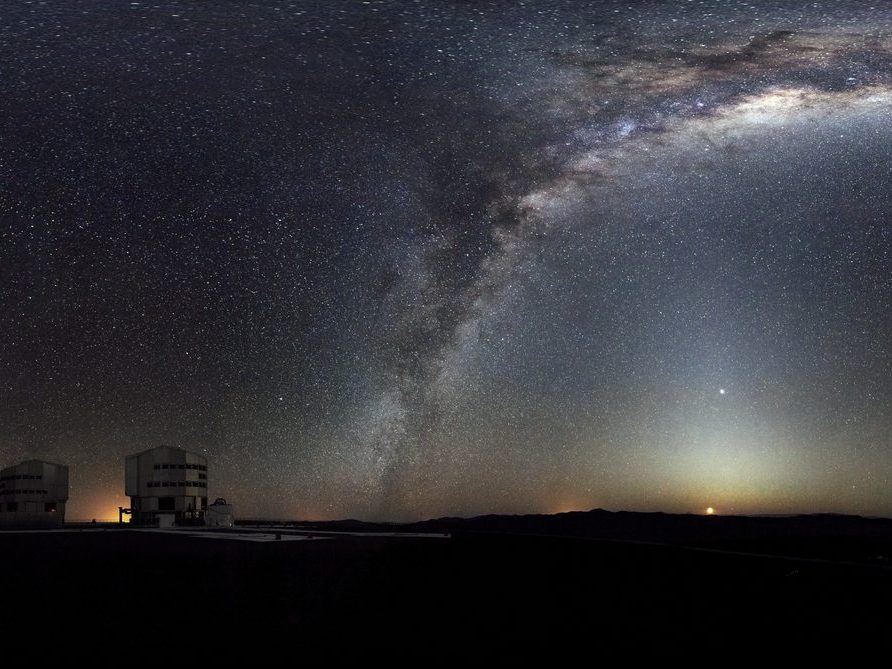
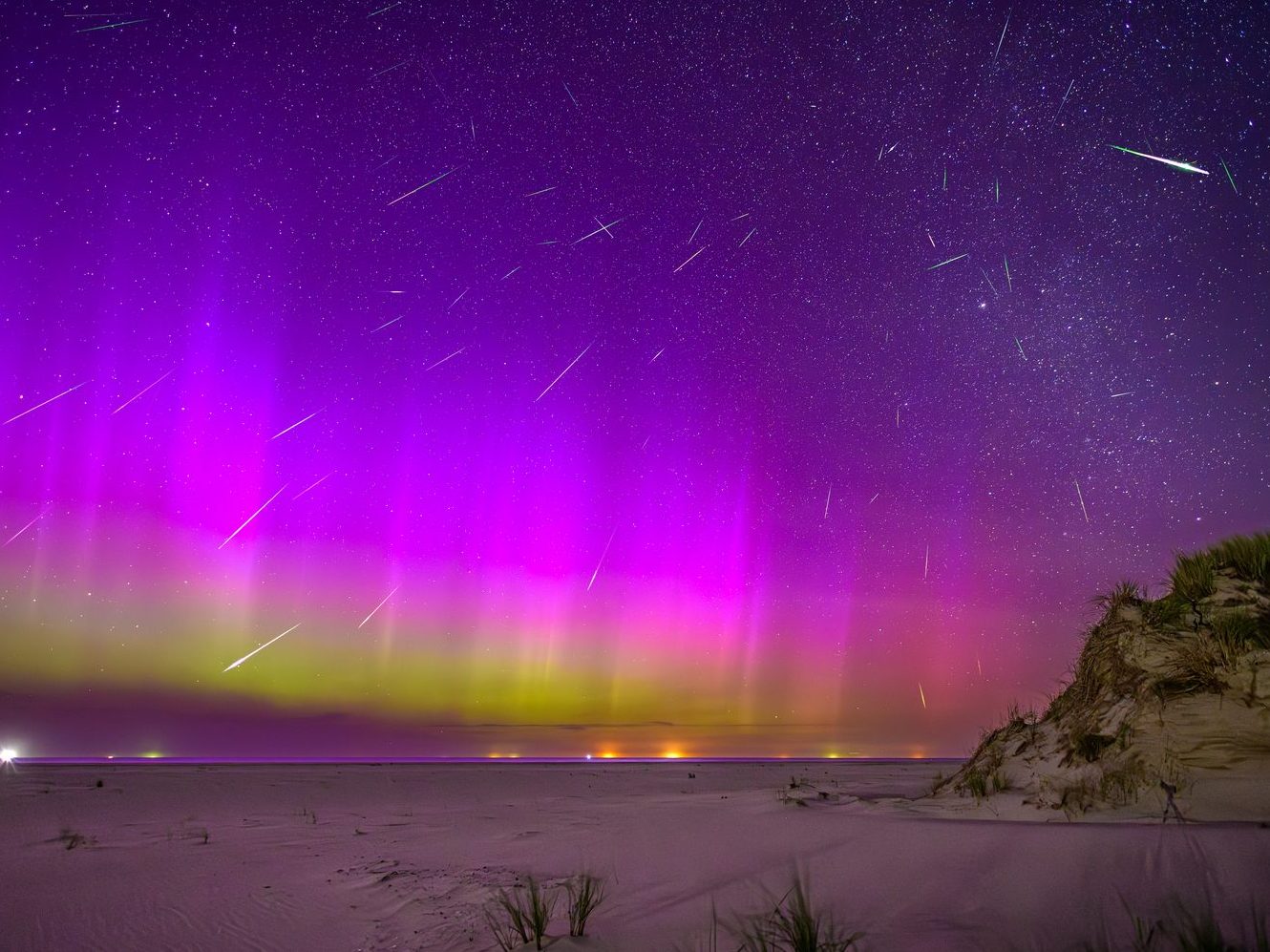
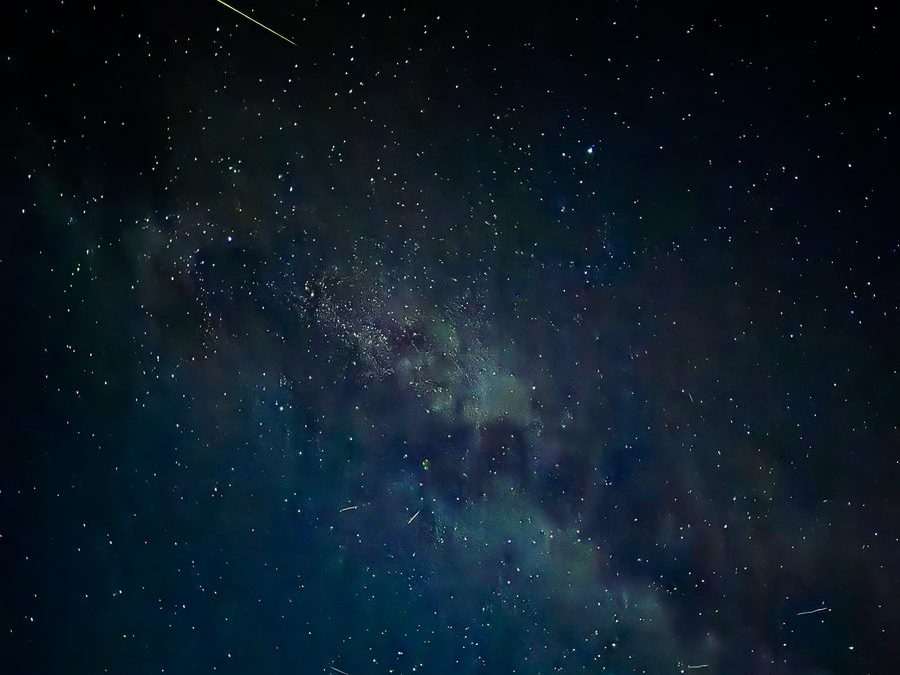
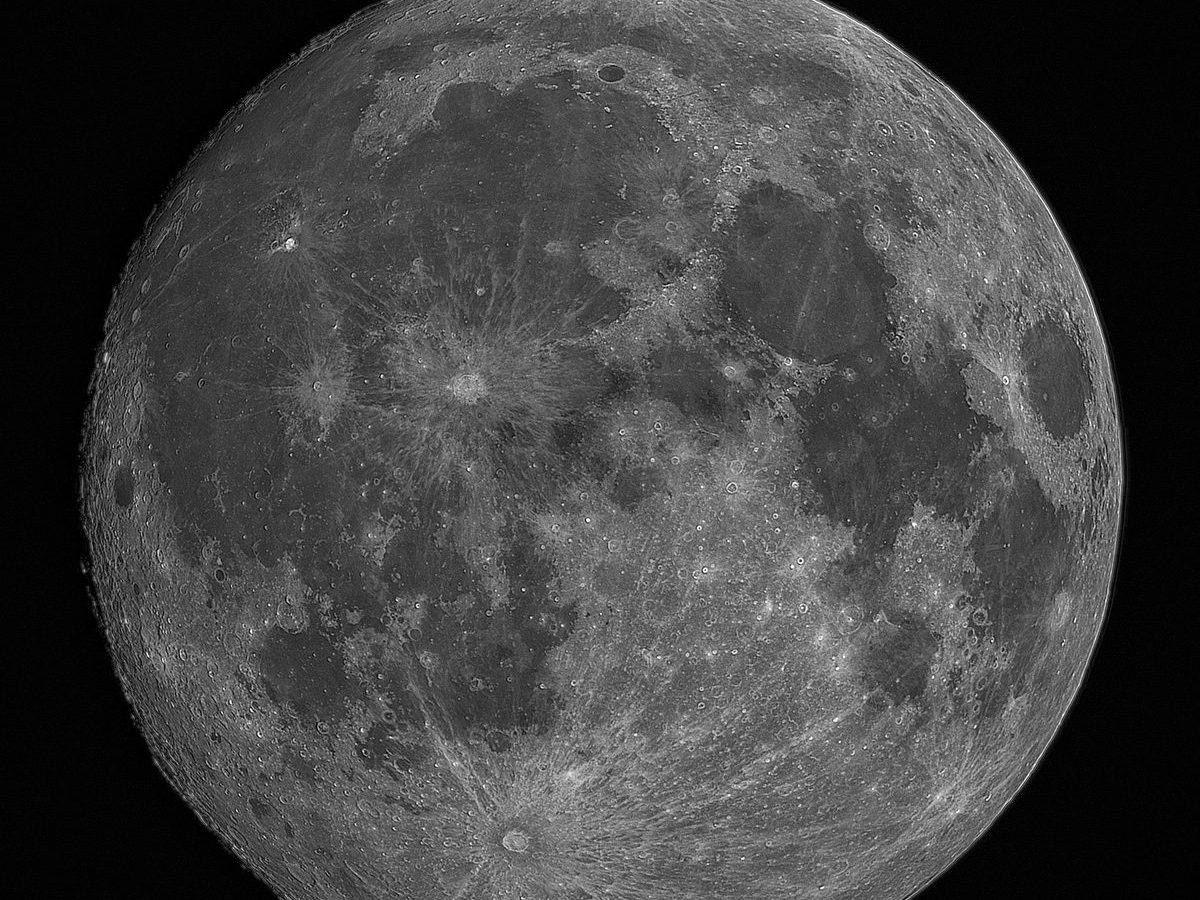
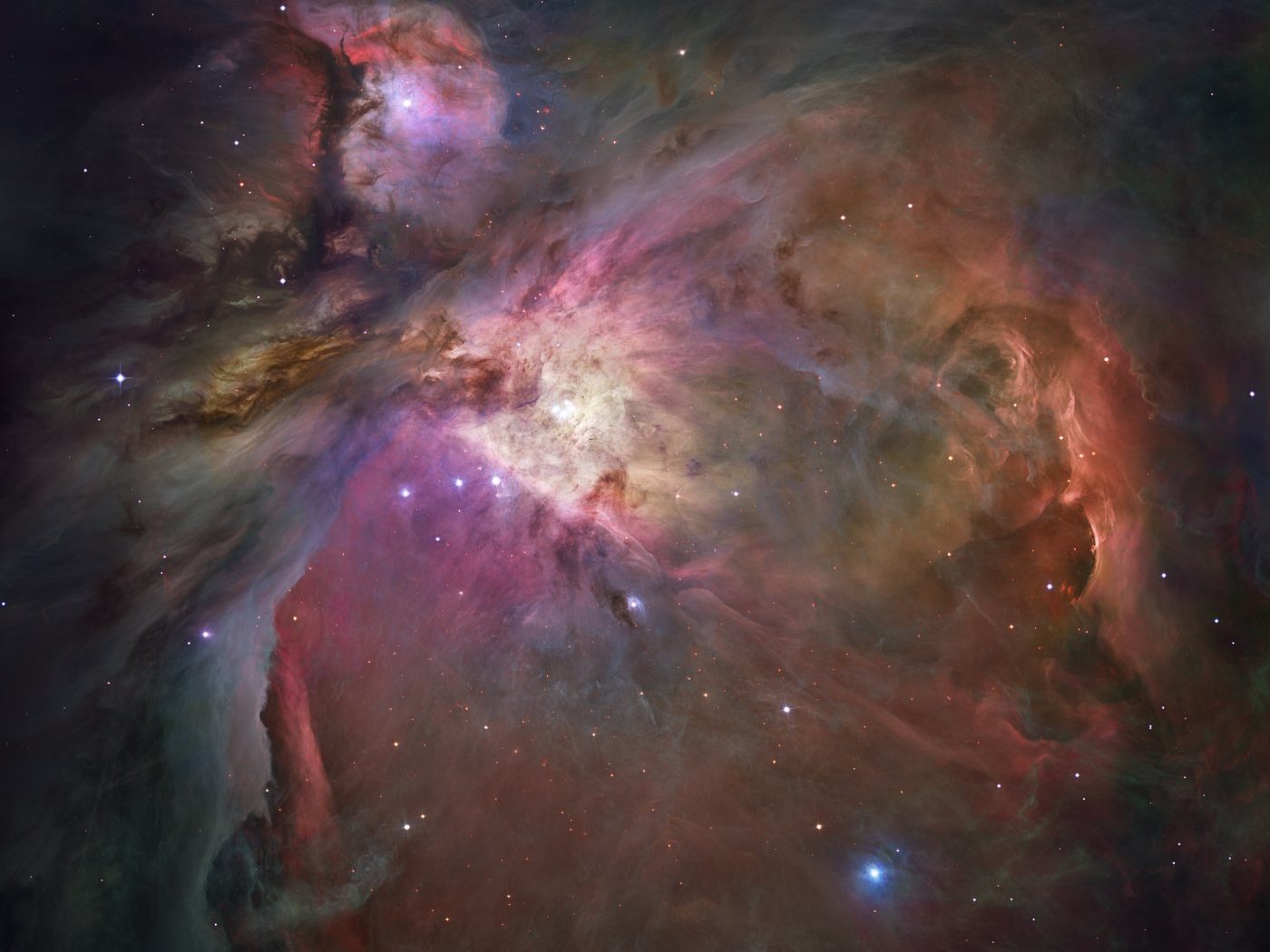
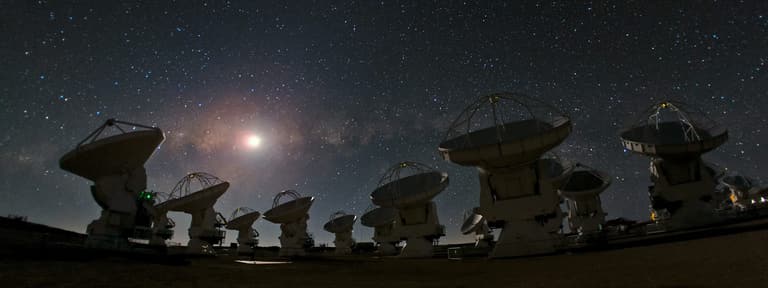
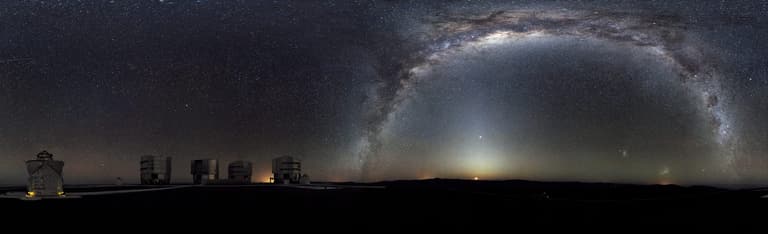
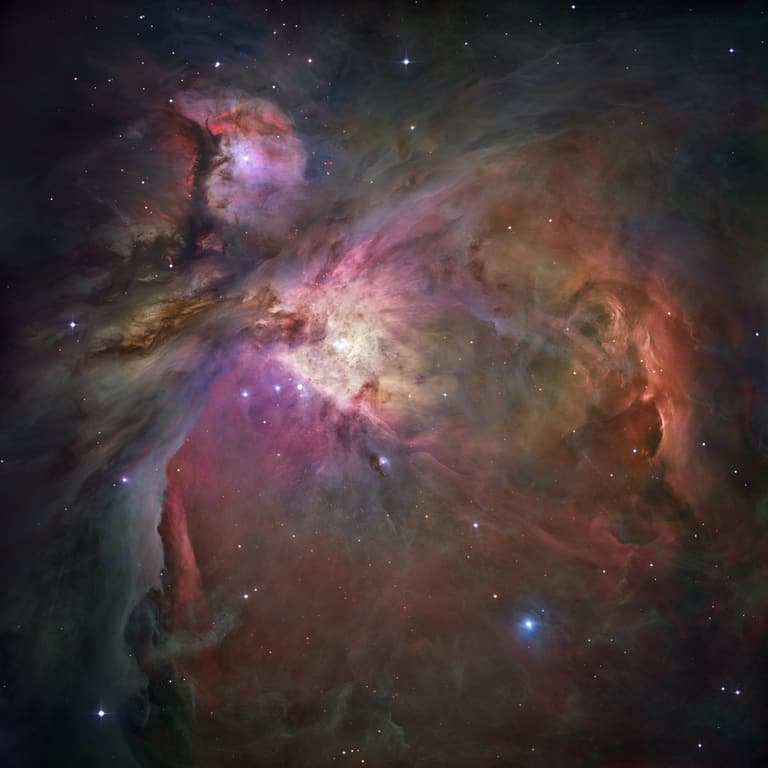
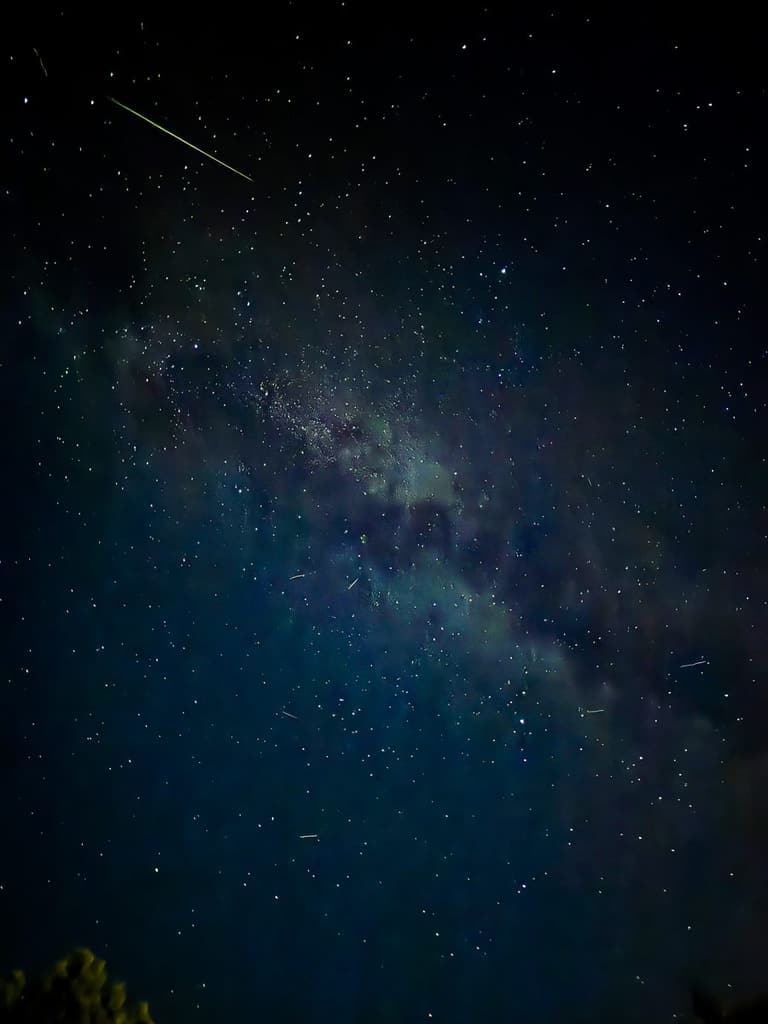
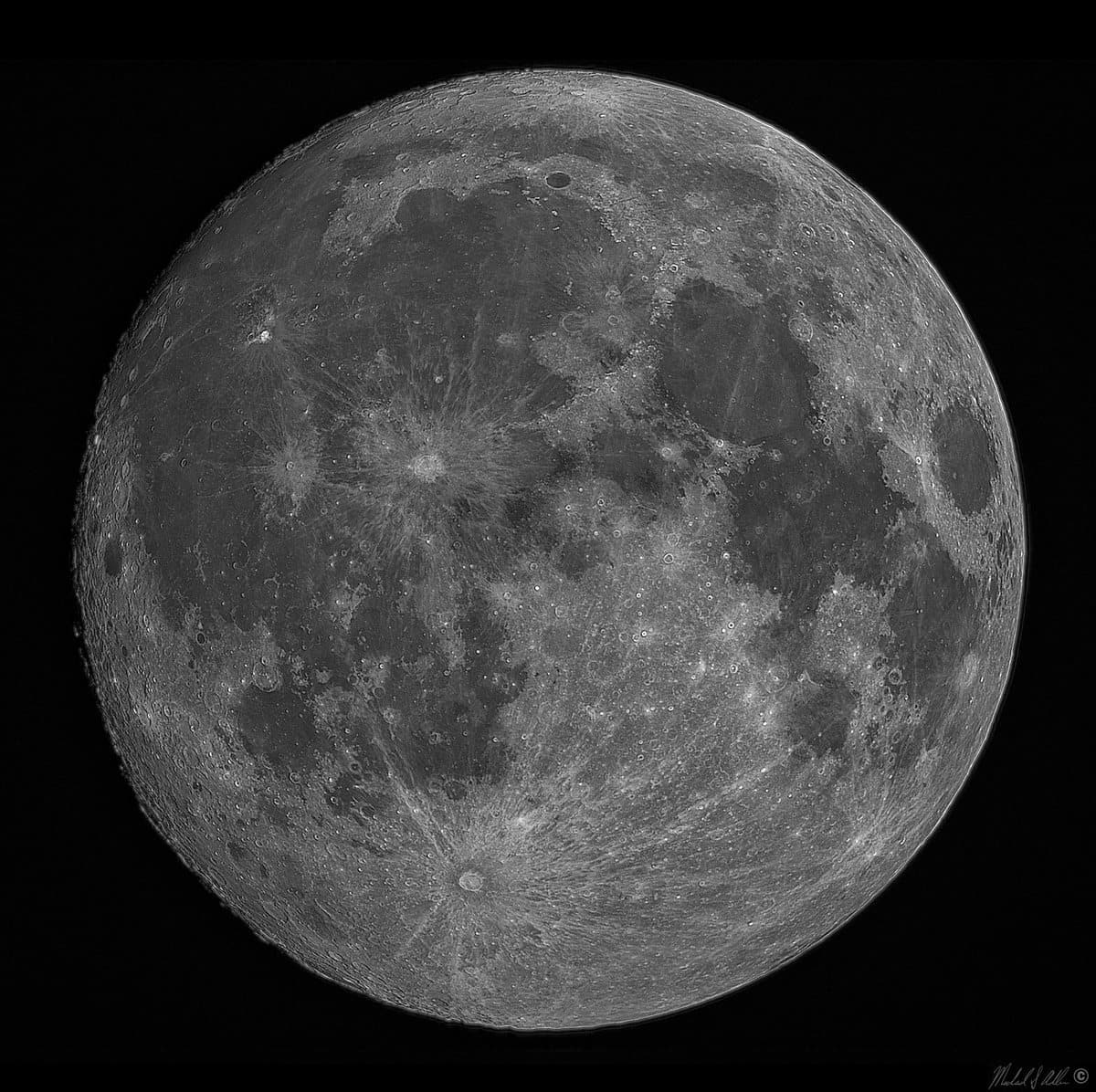
Tap a photo to view it full-screen with a gentle parallax drift.
Turn a night into a keepsake
Design a print-quality star chart of the sky over any place, on any date — the night you met, were born, or just looked up.
Create your star chartWhat Stargazr checks for you
- Clouds first. The single biggest factor in whether you'll see anything. Stargazr pulls the cloud forecast for your exact spot — not a regional average.
- The moon. A bright moon washes out faint stars, the Milky Way and meteors. We show tonight's phase, how lit it is, and when it rises and sets.
- Aurora, where it's possible. NOAA's live Kp index and OVATION model, read for your latitude — so you know if the northern (or southern) lights have any chance of reaching you.
- The next meteor shower. Every major shower with its peak date, expected rate, and an honest read on how much the moon will spoil it.
- Real darkness. When astronomical twilight ends and true dark begins for your location tonight.
New to this? Our beginner's guide to stargazing shows how to start tonight — no telescope needed.
Stargazr gives general sky-condition guidance for casual stargazers. Cloud data: MET Norway (CC BY 4.0). Aurora & space weather: NOAA SWPC. Meteor-shower figures: International Meteor Organization. Astrophotography via Wikimedia Commons (NASA/ESA/ESO, CC/PD). Conditions can change quickly — step outside and look up.
Frequently asked
Is tonight good for stargazing?
Tap ‘Check tonight where I am’ and Stargazr combines the live cloud forecast, the moon phase, aurora activity and the next meteor shower for your exact location into a single go/no-go score for tonight.
Where does Stargazr's data come from?
Cloud cover comes from the Norwegian Meteorological Institute (MET Norway). Aurora activity (the Kp index and the OVATION model) comes from NOAA's Space Weather Prediction Center. The moon phase, dark-sky window and meteor-shower timing are computed from published astronomical data.
When is the next meteor shower?
Stargazr tracks every major annual shower — including the Perseids in August and the Geminids in December — and shows the next one's peak date, expected rate and how much the moon will interfere.
Can I see the aurora from where I live?
Stargazr checks NOAA's aurora model for your latitude and shows the chance of aurora overhead tonight, along with the current Kp index. Most aurora is visible only at high latitudes, but during strong geomagnetic storms it can reach much farther toward the equator.
A moment under the night sky
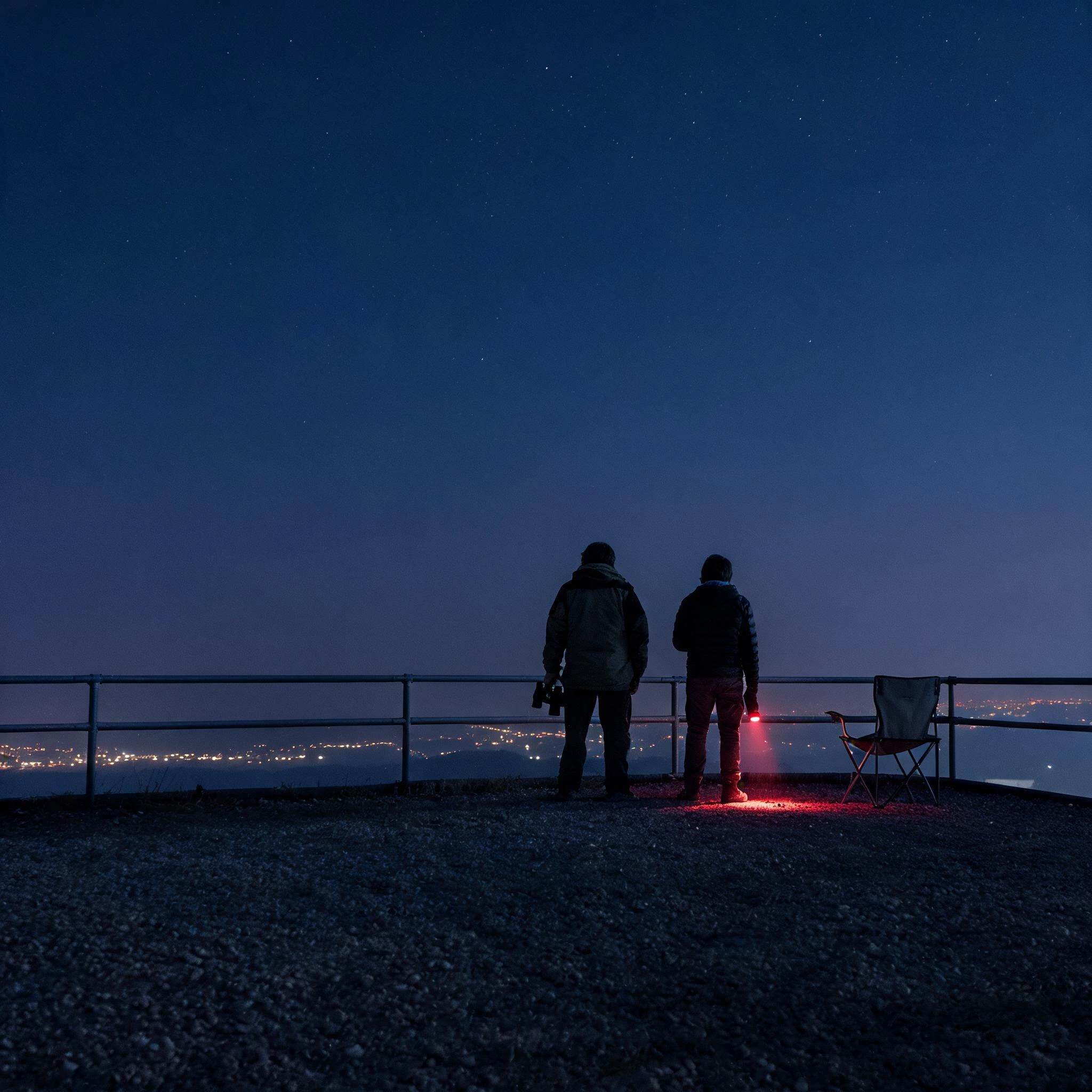
More a moment under the night sky