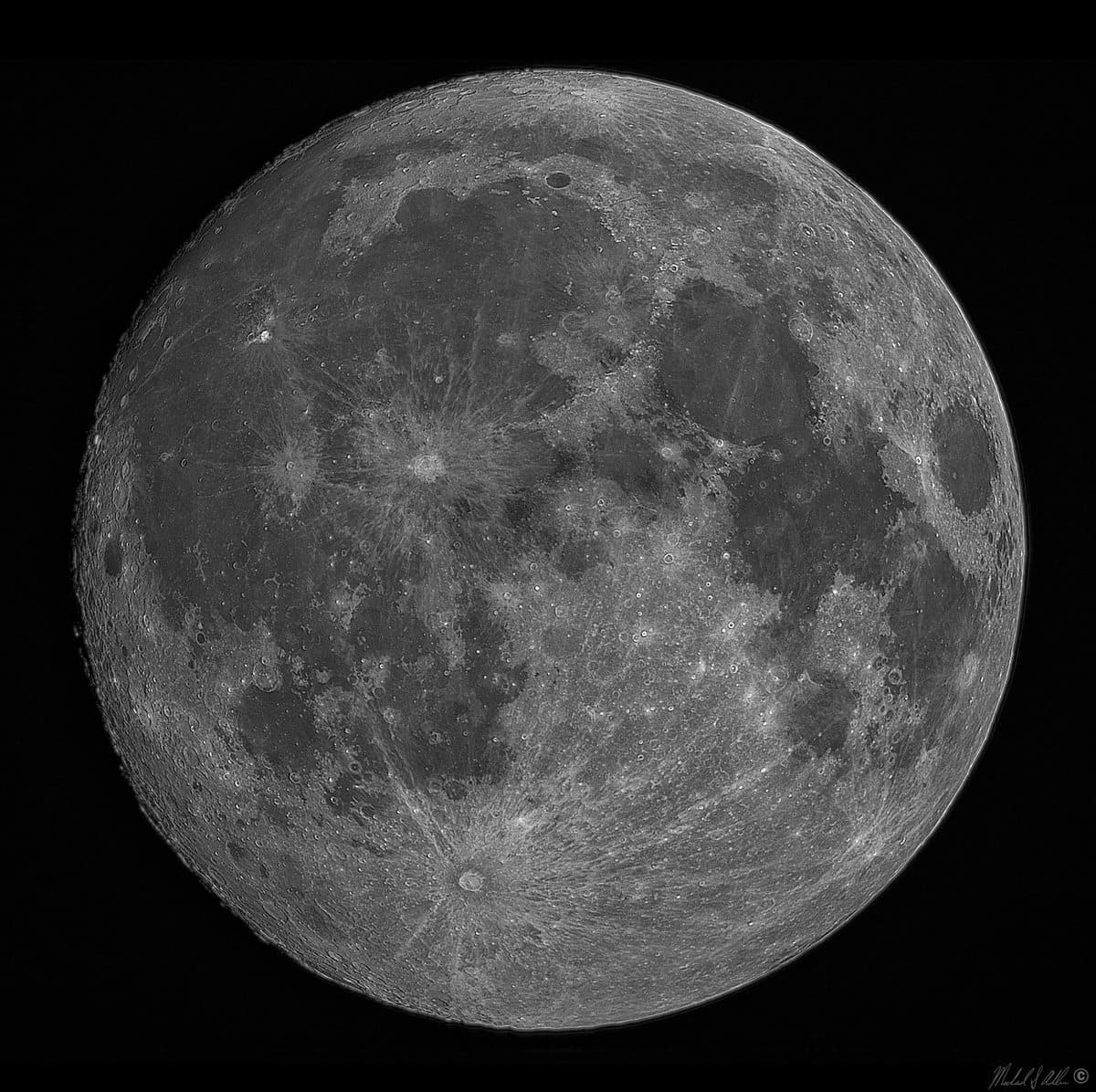
When the full Moon passes through Earth's shadow it dims and, at the deepest stage, glows red — a "blood moon". Unlike a solar eclipse it's completely safe to watch with the naked eye, from anywhere the Moon is up. Here's what's coming next.
A subtle shading of the full Moon, no dark bite. Deepest at 23:12 UTC.
~72 minutes of totality, the first total since March 2026. Europe and Africa in the evening; the Americas at moonset.
~93% of the Moon in shadow, the lower edge red. Times and photos archive.
Every lunar eclipse through 2029
| Date | Type | Greatest (UTC) | Note |
|---|---|---|---|
| Feb 20, 2027 | Penumbral | 23:12 | The next lunar eclipse — subtle shading, no dark bite |
| Jul 18, 2027 | Penumbral | 16:02 | Best from the Eastern Hemisphere |
| Aug 17, 2027 | Penumbral | 07:13 | Favorable for the Pacific and East Asia |
| Jan 12, 2028 | Partial | 04:13 | First dark-bite eclipse since August 2026 |
| Jul 6, 2028 | Partial | 18:19 | Evening for Europe and Africa |
| Dec 31, 2028 | Total | 16:51 | The next blood moon — ~72 minutes of totality |
| Jun 26, 2029 | Total | 03:22 | Deep total, long totality |
| Dec 20, 2029 | Total | 22:41 | The Americas get this one high in the sky |
Dates and times computed with astronomy-engine 2.1.19 and cross-checked against the Espenak/EclipseWise canon. 2027 brings three penumbrals and no umbral eclipse at all — the first total since March 2026 arrives at the very end of 2028.
How a lunar eclipse works
A lunar eclipse happens at full Moon, when the Sun, Earth and Moon fall into a line and the Moon drifts into Earth's shadow. That shadow has two parts: a pale outer penumbra, which only dims the Moon slightly, and a dark central umbra. How deep the Moon slides into the umbra sets the type — a subtle penumbral eclipse (this is what February 2027 brings), a partial one where a dark bite crosses the disc, or a total eclipse with the whole Moon in shadow.
Why the Moon turns red
Even in a total eclipse the Moon rarely goes fully dark — it glows a coppery red, the "blood moon". The only sunlight still reaching it has grazed through Earth's atmosphere, which scatters the blue away and bends the leftover red light inward onto the lunar surface. In effect you're seeing the combined glow of every sunrise and sunset on Earth at once, cast onto the Moon; the more dust and cloud around the planet's edge, the darker and deeper-red the eclipse.
Why not every full Moon — and how often you can watch one
The Moon's orbit is tilted about 5° to Earth's path around the Sun, so most full Moons pass a little above or below the shadow and nothing happens. An eclipse only comes when a full Moon lands near one of the two points where those paths cross — which is why eclipses arrive in "seasons" roughly twice a year. The payoff for skywatchers: a lunar eclipse is visible from the entire night side of Earth at once (a solar eclipse only from a narrow track), and it's completely safe to watch with the naked eye — so over any few years, most places catch several.
Frequently asked
When is the next lunar eclipse?
February 20, 2027 — a penumbral eclipse with the deepest shading at 23:12 UTC (6:12 PM EST that evening). Two more penumbrals follow in 2027, on July 18 and August 17, before the next umbral eclipse — a partial — on January 12, 2028.
When is the next blood moon?
December 31, 2028. That evening the full Moon slides completely into Earth's umbra for the first total lunar eclipse since March 2026 — about 72 minutes of totality, greatest eclipse at 16:52 UTC, visible from Europe and Africa in the evening and the Americas at moonset. Totals follow again on June 26, 2029 and December 20, 2029.
Why is there no total lunar eclipse in 2027?
Eclipse geometry, not bad luck. In 2027 the full Moons that align with Earth's shadow nodes only graze the pale outer penumbra — three times, in February, July and August — and never touch the dark umbra. Umbral eclipses return in January 2028, and the alignment for a total finally arrives on December 31, 2028.