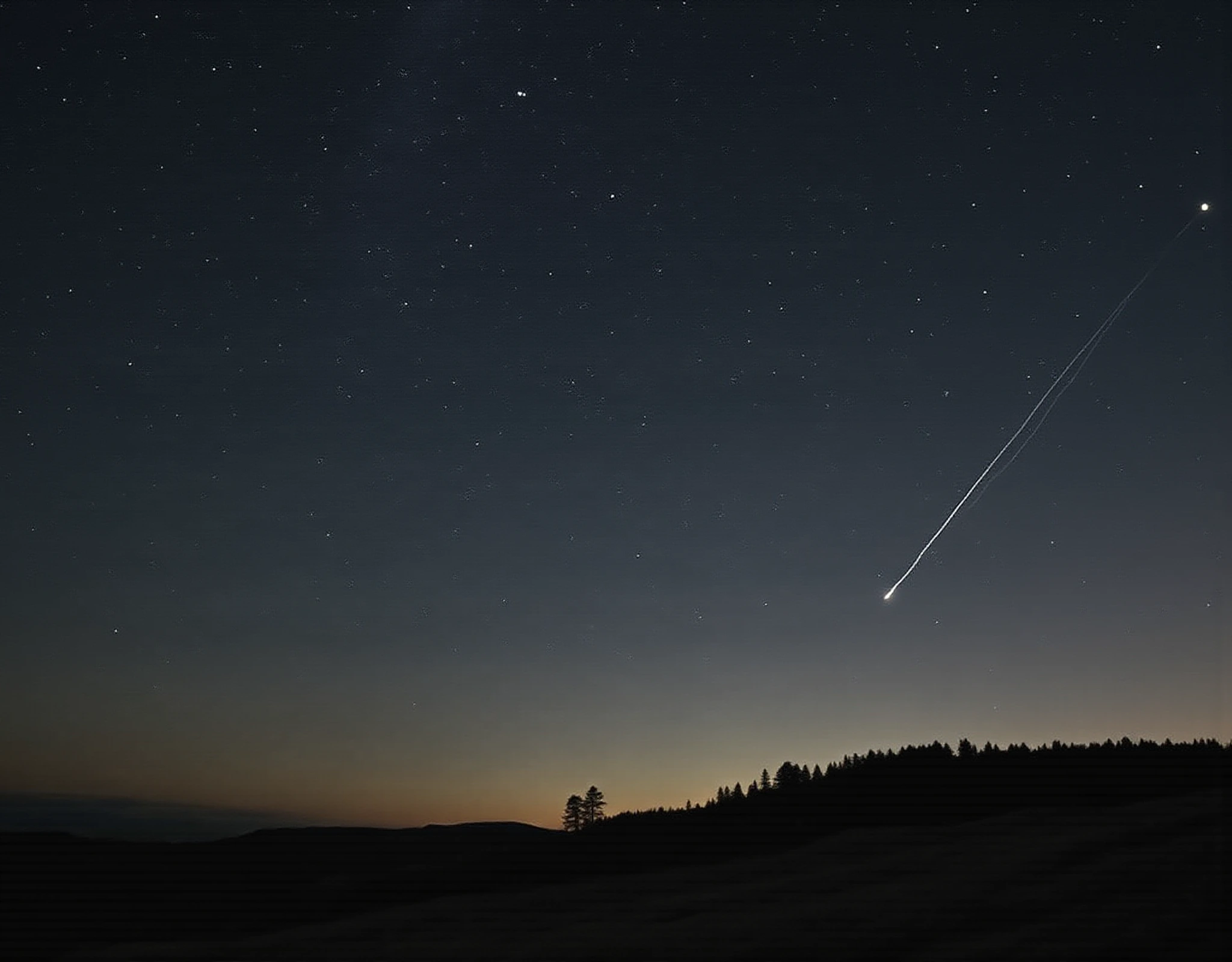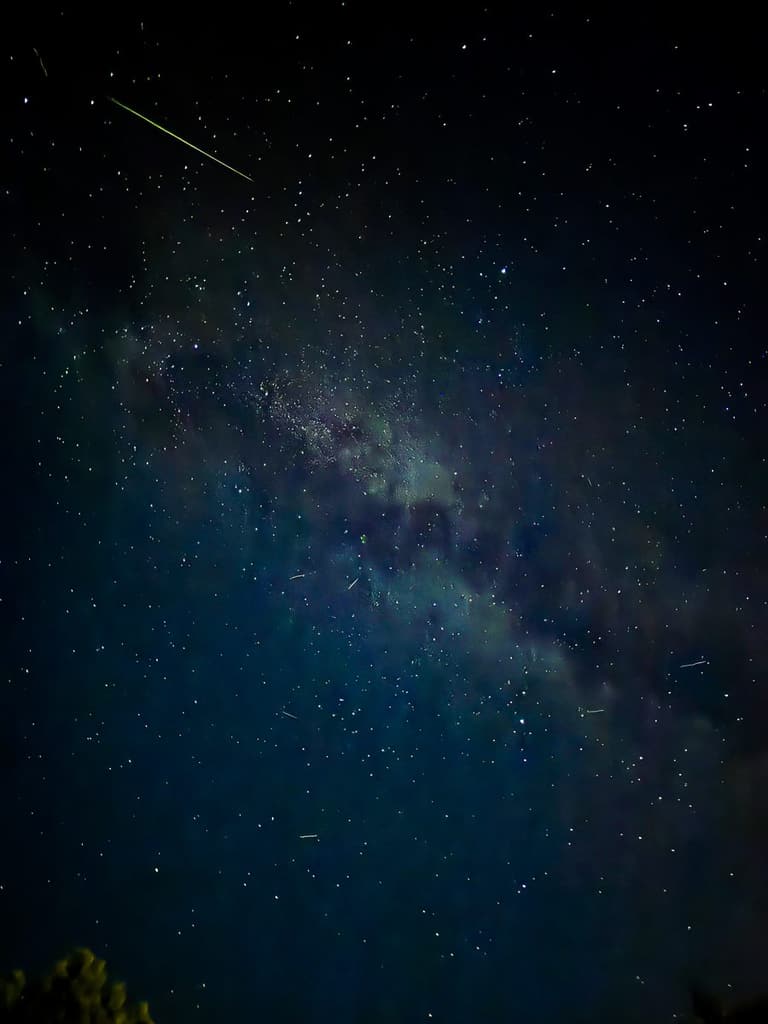
The 9 major showers worth staying up for — the peaks fall on the same dates every year. In calendar order.
A brief, brilliant start to the year · up to ~110/hrLyrids — peaks ~April 22
Spring's oldest shower, sharp and bright · up to ~18/hrEta Aquariids — peaks ~May 6
Halley's fast, glowing gift before dawn · up to ~50/hrSouthern Delta Aquariids — peaks ~July 30
A broad summer plateau worth staying up for · up to ~25/hrPerseids — peaks ~August 12
Summer's reliable, fast-moving favorite · up to ~100/hrOrionids — peaks ~October 21
Halley's swift autumn gift to both hemispheres · up to ~20/hrLeonids — peaks ~November 17
The fastest meteors of the annual calendar · up to ~15/hrGeminids — peaks ~December 14
The year's richest, most reliable shower · up to ~150/hrUrsids — peaks ~December 22
A quiet winter shower for night owls · up to ~10/hr
Frequently asked
When is the next meteor shower?
The next major shower is the Orionids: it peaks around October 21. The showers below run in the same calendar order every year, so the next one is always the next peak after today — the live sky tool adds the Moon and best hours for your location.
What is the meteor shower schedule for this year?
All the major annual showers are listed below in calendar order, with peak dates and realistic hourly rates. The dates repeat nearly unchanged every year — that's why each entry reads the same from one year to the next.
Which meteor shower is the best one to watch?
It comes down to the Moon. Every year two or three showers catch a dark, moonless peak night while the rest fight moonlight — the ranked list picks them out for this year by each peak's real Moon conditions.
More to explore: Constellations · Planets · Lunar eclipses
Meteors across the sky