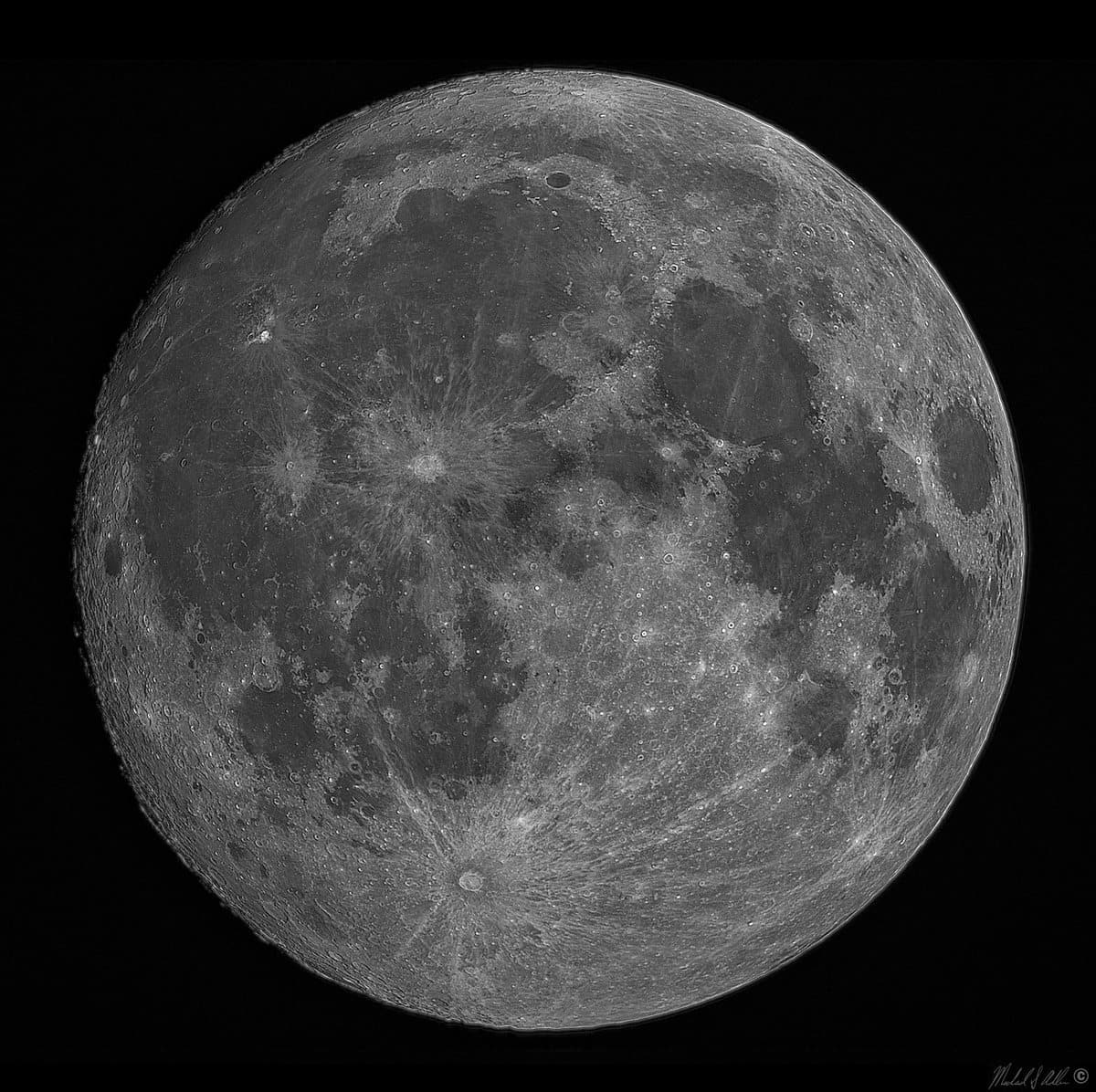
Night of Aug 27–28, 2026 · ~93% of the Moon in shadow · greatest at 04:13 UTC · best from the Americas · naked-eye safe.
On the night of August 27–28, 2026, the full Sturgeon Moon slides deep into Earth's shadow. It's a partial eclipse, not a total one — but a very deep one: at greatest eclipse about 93% of the Moon is swallowed by the dark umbra, deep enough that the lower part of the Moon glows a dusky copper-red while a bright sliver clings to the top. It's the deepest lunar eclipse Earth gets until 2028, and it's beautifully placed for the Americas.
When to watch (by time zone)
The whole partial phase is visible across North and South America. Find your row — greatest eclipse is the deepest, reddest moment.
| Your time zone | Partial begins | Greatest (deepest) | Partial ends |
|---|---|---|---|
| US Pacific (PDT) | 7:33 PM Aug 27 | 9:13 PM Aug 27 | 10:52 PM Aug 27 |
| US Mountain (MDT) | 8:33 PM Aug 27 | 10:13 PM Aug 27 | 11:52 PM Aug 27 |
| US Central (CDT) | 9:33 PM Aug 27 | 11:13 PM Aug 27 | 12:52 AM Aug 28 |
| US Eastern (EDT) | 10:33 PM Aug 27 | 12:13 AM Aug 28 | 1:52 AM Aug 28 |
Times are local clock time. The Moon must be above the horizon — it is, all across the Americas, climbing through the overnight sky. Greatest eclipse (the reddest, deepest moment) is the one to catch; a fainter penumbral shading runs about 80 minutes either side of the partial phase.
What you'll see
As the Moon enters the umbra, a dark, curved bite grows across its face over about an hour. Near greatest eclipse the shadow covers almost the entire disc, and the deepest part takes on a coppery-red tint — sunlight bent and reddened through Earth's atmosphere, the same effect that paints sunsets, spilling onto the Moon. Then the shadow slides back off and the Moon brightens again.
Do you need glasses? No — and that's the point
Here's the happy difference from a solar eclipse: a lunar eclipse is 100% safe to watch with the naked eye. There's nothing to filter — you're just looking at a shadowed Moon. No glasses, no special equipment, no risk. Binoculars or a small telescope deepen the colour and sharpen the shadow's edge, but step outside and look up and you're set.
Nice to have (not needed)
Your eyes are enough — but a little optics makes the red pop.
- 10×50 binoculars — the easiest upgrade for lunar colour
- A small telescope — to watch the shadow's curved edge crawl across craters
- A camera on a tripod — a zoom lens + a few-second exposure catches the red
- A red-light headlamp — preserves your night vision
Frequently asked
When exactly is the August 2026 lunar eclipse?
The partial phase runs from 02:33 to 05:52 UTC on August 28, 2026, with the deepest point — greatest eclipse — at 04:13 UTC. In the Americas that falls on the evening of August 27: around 9:13 PM PDT on the 27th, or 12:13 AM EDT on the 28th.
Is it a total 'blood moon'?
Not quite — it's a very deep partial. About 93% of the Moon slides into Earth's dark umbral shadow, deep enough that the lower part glows coppery-red while a thin sliver along the top edge stays bright. It's the deepest lunar eclipse anywhere on Earth until 2028.
Do I need eclipse glasses or a telescope?
No. Unlike a solar eclipse, a lunar eclipse is completely safe to watch with the naked eye — no filters, no glasses, ever. Binoculars or a small telescope make the colour and the curved shadow edge easier to see, but your eyes alone are plenty.
Where is it visible?
It favours the Western Hemisphere: all of North and South America see the entire partial phase with the Moon high in the overnight sky. Western Europe and Africa catch it lower, around moonset.
More to see
Sources and review
- Eclipse contact times: Espenak / EclipseWise, reproduced with Astronomy Engine 2.1.19
- Moon phases and illumination: U.S. Naval Observatory
- Cloud forecast: MET Norway — CC BY 4.0
Last reviewed by the Stargazr editorial team. Astronomical forecasts and meteor maxima are revised as primary sources publish; we update this page when they do. Found an error? corrections@stargazr.io