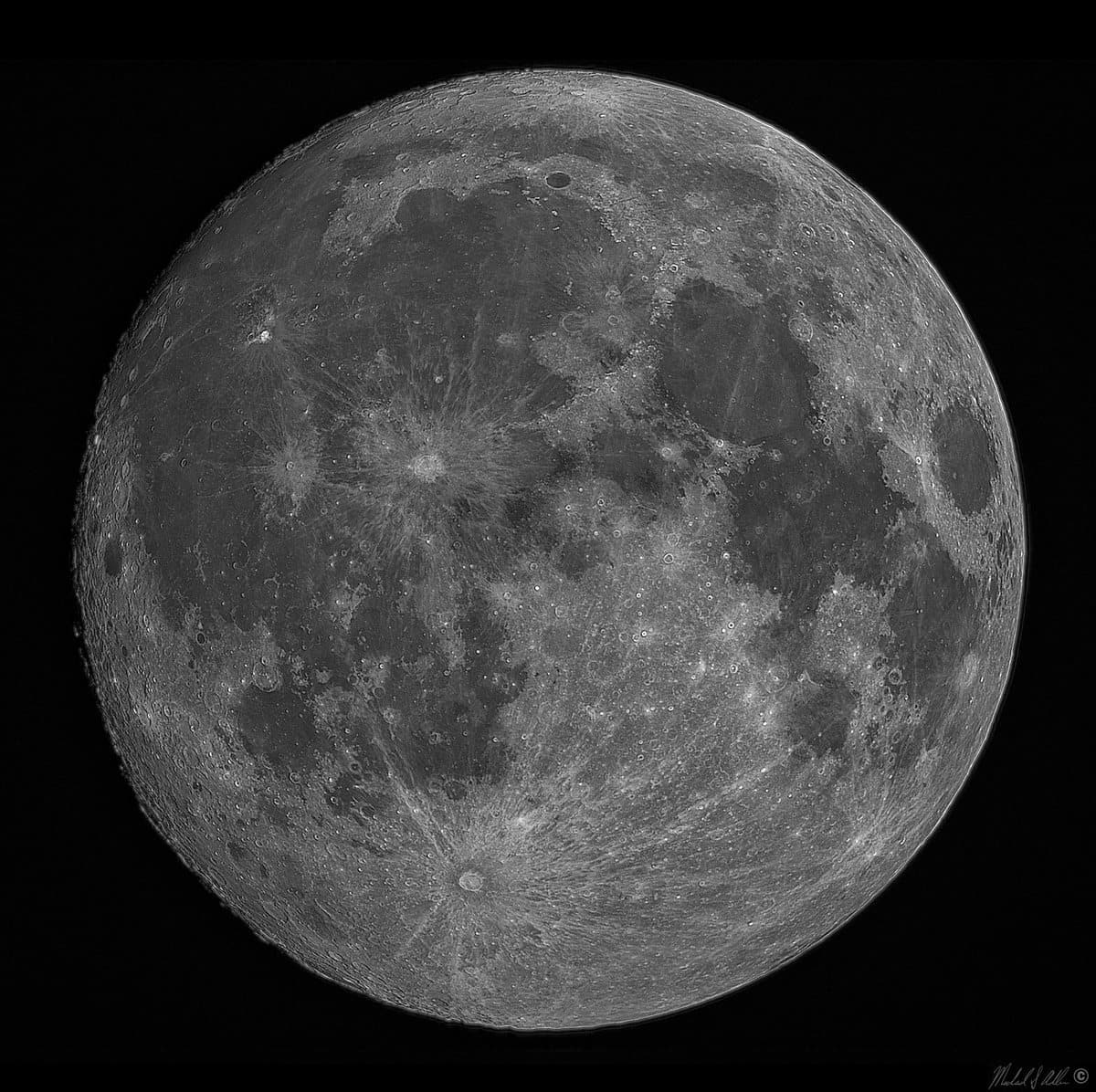
Every solar and lunar eclipse from late 2026 through 2029 · US visibility flagged · dates from NASA.
Eclipses are the most predictable events in the sky — astronomers know the date of every one for the next thousand years. What actually decides whether you see one is geography. This calendar lists every eclipse through 2029, solar and lunar, with an honest flag for whether the United States gets any part of it. The pattern is worth internalizing: 8 of the 16 upcoming eclipses touch the US, and most of those are subtle penumbral shadings, not blood moons.
The calendar: late 2026 → 2029
| Date | Type | Visible from | US? |
|---|---|---|---|
| Feb 6, 2027 | ☀ Solar · Annular | South America, southern Atlantic, Antarctica rim, western & southern Africa | — |
| Feb 20, 2027 | 🌙 Lunar · Penumbral | Americas, Europe, Africa, western Asia | US ✓ |
| Jul 18, 2027 | 🌙 Lunar · Penumbral | Eastern Africa, Asia, Australia, Pacific | — |
| Aug 2, 2027 | ☀ Solar · Total | Totality over Spain, Morocco, Algeria, Libya, Egypt, Saudi Arabia; partial across Europe, Africa, Middle East | — |
| Aug 17, 2027 | 🌙 Lunar · Penumbral | Pacific, Americas | US ✓ |
| Jan 12, 2028 | 🌙 Lunar · Partial | Americas, Europe, Africa | US ✓ |
| Jan 26, 2028 | ☀ Solar · Annular | Annular over Ecuador, Peru, Brazil, Suriname, Portugal, Spain; partial across eastern North America, Central & South America, western Europe | US ✓ |
| Jul 6, 2028 | 🌙 Lunar · Partial | Europe, Africa, Asia, Australia | — |
| Jul 22, 2028 | ☀ Solar · Total | Totality over Australia and New Zealand; partial across SE Asia and the East Indies | — |
| Dec 31, 2028 | 🌙 Lunar · Total | Europe, Africa, Asia, Australia, Pacific | — |
| Jun 26, 2029 | 🌙 Lunar · Total | Americas, Europe, Africa, Middle East | US ✓ |
| Jan 14, 2029 | ☀ Solar · Partial | North America, Central America | US ✓ |
| Jun 12, 2029 | ☀ Solar · Partial | Arctic, Scandinavia, Alaska, northern Asia, northern Canada | US ✓ |
| Jul 11, 2029 | ☀ Solar · Partial | Southern Chile, Southern Argentina | — |
| Dec 5, 2029 | ☀ Solar · Partial | Southern Argentina, Southern Chile, Antarctica | — |
| Dec 20, 2029 | 🌙 Lunar · Total | Americas, Europe, Africa, Asia | US ✓ |
Dates and visibility follow NASA's eclipse catalogs (eclipse.gsfc.nasa.gov). "US ✓" means at least part of the event is visible from somewhere in the United States — for solar eclipses that is usually a partial, not the central track.
The dates that matter if you watch from the US
- Feb 6, 2027 — Ring of fire; the annular track stays off the US.
- Feb 20, 2027 — Subtle — the Moon dims slightly; easy to miss without knowing what to look for.
- Aug 2, 2027 — Totality tops six minutes over North Africa — most total eclipses manage two to four.
- Aug 17, 2027 — Another faint one; watch for the Moon's slightly soiled glow.
- Jan 12, 2028 — The next decent umbral eclipse for the US — a dark bite crossing the Moon.
- Jan 26, 2028 — The next solar eclipse the US can see at all — a partial from the East Coast at sunrise.
- Jul 22, 2028 — Australia's second total in a decade.
- Dec 31, 2028 — A New Year's Eve total blood moon — for the other side of the world.
- Jun 26, 2029 — The next TOTAL blood moon visible from the US.
- Jan 14, 2029 — A deep partial for most of the US — needs certified eye protection.
- Jun 12, 2029 — US visibility limited to Alaska.
- Dec 20, 2029 — A second US-visible total blood moon inside 2029.
Solar vs lunar: the safety difference
A lunar eclipse is the full Moon passing into Earth's shadow. It's safe to watch with your naked eyes, from the entire night half of the planet, with nothing at all. A solar eclipse is the new Moon crossing in front of the Sun — visible only from a narrow track for the central eclipse, a wider region for partials, and never safe to look at without certified protection (ISO 12312-2 glasses or a proper solar filter) except during the minutes of totality itself.
Reading the types on this calendar
Total (solar): the Moon fully covers the Sun; the corona appears. Annular (solar): the Moon is too distant to fully cover the Sun, leaving a "ring of fire". Partial (solar): the Moon takes a bite; never total from your spot. Total (lunar): the whole Moon enters Earth's umbra and glows red — the blood moon. Partial (lunar): a dark curved bite crosses the Moon. Penumbral (lunar): the Moon only grazes the outer shadow — a slight dimming many viewers never notice.
Frequently asked
When is the next eclipse visible from the US?
February 20, 2027 — a penumbral lunar eclipse, visible across the Americas. It's the subtle kind: the Moon dims slightly rather than turning red. The next dramatic one for the US is a partial lunar eclipse on January 12, 2028, and the next US-visible solar eclipse (a partial, at sunrise for the East Coast) follows two weeks later on January 26, 2028.
When is the next total lunar eclipse ('blood moon') visible from the US?
June 26, 2029. Between now and then, every US-visible lunar eclipse is either penumbral (Feb 20 and Aug 17, 2027) or partial (Jan 12, 2028) — the Dec 31, 2028 total misses the Americas entirely. December 20, 2029 brings a second US-visible total.
When is the next total solar eclipse in the US?
Not soon — and that gap is the point of planning ahead. The August 2, 2027 total crosses Spain and North Africa, not the US. The next totality to touch US soil comes on August 23, 2033, and it covers Alaska only. The next total solar eclipse to cross the Lower 48 is August 23, 2044 (Montana and North Dakota), followed by the coast-to-coast eclipse of August 12, 2045.
Do I need eclipse glasses?
Only for solar eclipses — and then always. Any visible part of the Sun, even a thin sliver, requires certified solar filters (ISO 12312-2) or a pinhole projector; sunglasses, smoked glass, and exposed film are not safe. Lunar eclipses are the opposite: completely safe with the naked eye, no equipment at all.
Why do eclipses come in seasons?
The Moon's orbit is tilted about 5° to Earth's path around the Sun, so most new and full Moons miss the shadows entirely. Eclipses only happen when the lineup occurs near the two crossing points of those paths, which comes in seasons roughly every six months — that's why eclipses cluster a couple of weeks apart (solar at new Moon, lunar at full) and then go quiet.
Related
Next lunar eclipse: Feb 20, 2027 (the full guide) · Lunar eclipses, explained · The Aug 27–28, 2026 deep partial (just passed) · Meteor showers · Tonight's sky →