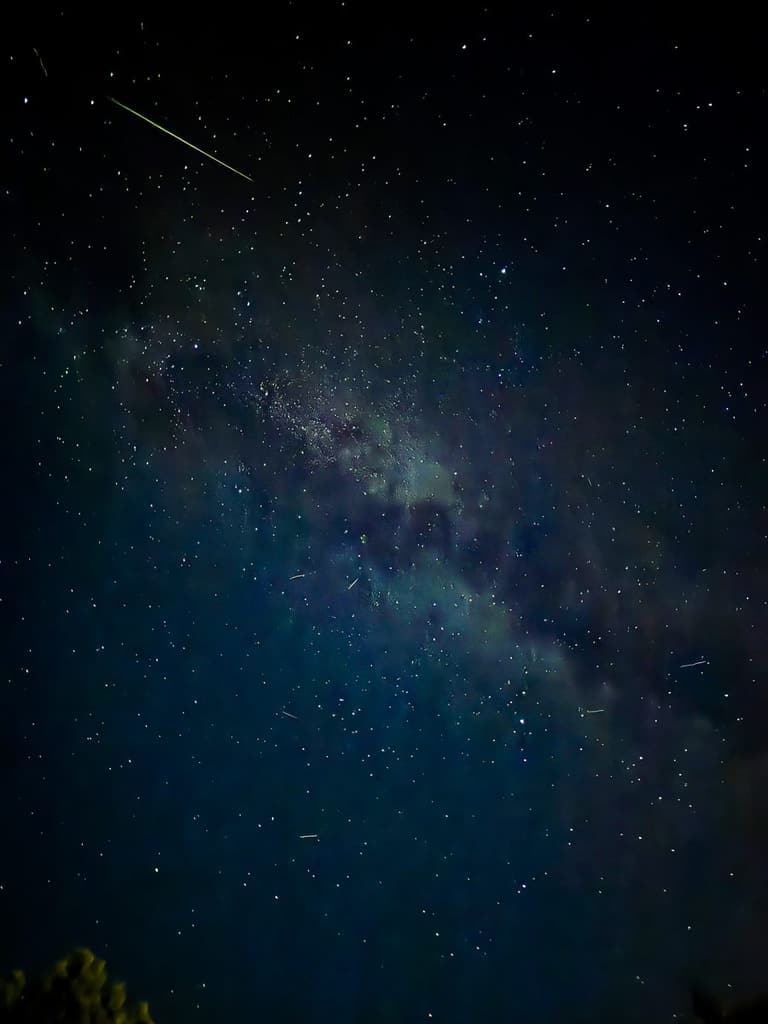
Peaks around April 22 each year · up to ~18/hr at its best · medium-paced (49 km/s) · best from the northern hemisphere.
The Lyrids are one of the oldest recorded meteor showers in history, and they make a welcome return every April after a long winter without much activity. They're not the most prolific shower of the year, but they punch above their numbers with a good share of bright, fast meteors and occasional eye-catching fireballs. If you've been waiting all winter for a reason to step outside after dark, this is it.
When to watch
The Lyrids are active from roughly April 16 to April 25 each year, peaking around April 22. The radiant climbs well into the sky through the night, so the best watching is typically in the hours after midnight through pre-dawn — when Earth's rotation has turned you directly into the stream.
Where to look
The meteors appear to radiate from the constellation Lyra, which is easy to find anchored by the bright star Vega in the northeast. Don't stare at Lyra itself — instead, face a wide, dark patch of sky somewhere nearby and let the meteors streak across your full field of view.
What makes it special
The Lyrids are debris from comet Thatcher, and at 49 km/s they're medium-paced — quick enough to leave a brief glowing trail, slow enough that you can actually follow them across the sky. The ideal zenithal hourly rate under a perfectly dark sky with the radiant overhead is around 18 per hour, and the shower occasionally throws in a bright fireball to keep things interesting.
How to watch
No telescope or binoculars needed — wide-open eyes see far more of the sky, and meteors can appear anywhere. Give yourself at least 20 minutes in the dark to let your eyes adapt fully, and get as far from streetlights as you reasonably can; even modest dark skies make a real difference at these rates.
Frequently asked
When do the Lyrids peak?
Around April 22 every year, with the active window running from about April 16 to April 25. Activity builds over several nights before the peak and drops off a little more quickly afterward.
How many Lyrids will I actually see?
The ideal rate is around 18 per hour — that's the zenithal hourly rate under a perfectly dark sky with the radiant straight overhead. From a real backyard with some light pollution and the radiant not at its highest, expect something more like 5 to 10 per hour at the peak, with the chance of a sudden bright fireball keeping you on your toes.
What causes the Lyrids?
The Lyrids are grains of debris shed by comet Thatcher over many centuries. Each April, Earth passes through that trail of dust and rock fragments, which burn up high in the atmosphere and appear to stream from the direction of the constellation Lyra.
Other meteor showers
Quadrantids · Eta Aquariids · Southern Delta Aquariids · Perseids · Orionids · Leonids · Geminids · Ursids