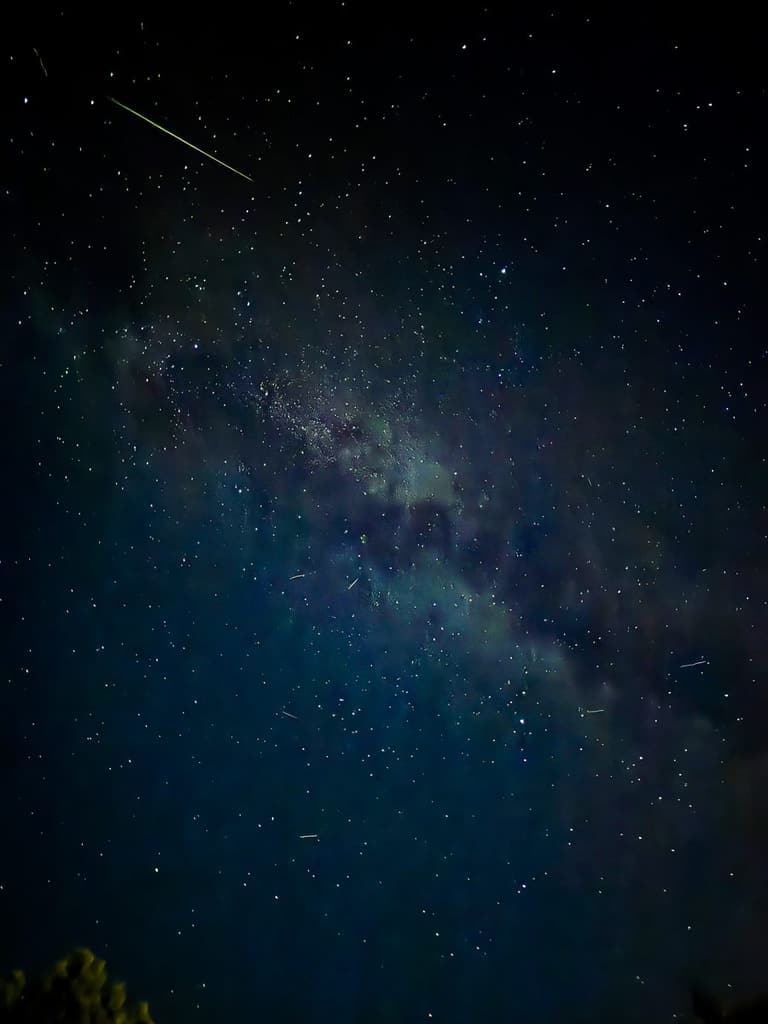
Peaks around January 3 each year · up to ~110/hr at its best · medium-paced (41 km/s) · best from the northern hemisphere.
The Quadrantids open the meteor year with one of the strongest peaks of all — an ideal rate around 110 an hour — but it's a famously narrow peak, often only a few hours wide. Catch it at the right time and it's superb; miss it by half a night and you'll see far less.
When to watch
Active from late December into mid-January, the Quadrantids peak sharply around January 3. The radiant climbs in the northeast after midnight, so the hours before dawn are the window — and because the peak is so brief, watching across the early-January nights closest to the 3rd gives the best odds.
Where to look
The radiant sits in the constellation Boötes, near the end of the Big Dipper's handle, low in the north-northeast after midnight. Don't fix on the radiant itself — scan a wide, dark patch of sky and the meteors will come.
What makes it special
The Quadrantids are thought to come from asteroid 2003 EH1, likely a burned-out comet. At 41 km/s they're medium-paced, and the shower is known for the occasional bright fireball. As always, the ~110-per-hour figure is the ideal dark-sky rate, not what a typical sky delivers.
How to watch
No gear needed — just your eyes, adapted to the dark for 20 minutes or more. This is deep-winter, after-midnight watching, so dress far warmer than feels necessary and pick the darkest horizon you can find to the north.
Frequently asked
When do the Quadrantids peak?
Around January 3 every year, active from about December 28 to January 12. The peak itself is very short — often just a few hours — so the exact timing matters more than for most showers.
Why is the Quadrantid peak so easy to miss?
Earth crosses the densest part of this stream at a steep angle, so the high-rate window is narrow — sometimes only a few hours. If those hours fall in daylight or below your horizon, you'll catch only the quieter edges of the shower.
Where do the Quadrantids come from?
Most likely from asteroid 2003 EH1, which may be the dormant remains of an old comet. The meteors appear to stream from the constellation Boötes, near the Big Dipper's handle.
Other meteor showers
Lyrids · Eta Aquariids · Southern Delta Aquariids · Perseids · Orionids · Leonids · Geminids · Ursids